Sharing
- Share on LinkedIn (Opens in new window)LinkedIn
- Share on Bluesky (Opens in new window)Bluesky
- Share on Facebook (Opens in new window)Facebook
- Share on X (Opens in new window)X
- Share using Native toolsShareCopied to clipboard
- Share on Mail (Opens in new window)Mail
3 responses to “AI Water Use Distractions and Lessons for California”
-
David Cowell April 26, 2026 at 5:43 am
Why hasn’t the AI industry pursued a course of using the expended energy for additional processes, i.e. food processing , building heating, etc. Except for the seasonality of alternate heat sinks; latent cooling requiring “lost” water isn’t the only option. It’s just convenient.
Reply -
Jenny April 26, 2026 at 8:30 am
Good points. However, in many instances it is planned data centers, not existing ones, that are the targets of concern and criticism regarding water. Many of the ones in planning stages are gargantuan, and have been proposed for arid regions that currently face worsening water scarcity. For example, a massive 950,000-square-foot data center has been proposed in Imperial County, California, one of the hottest and dryest regions of the country. There is already insufficient water to serve the needs of existing water users in Imperial County (not even considering the environmental and ecological impacts of water scarcity on the Salton Sea), and the available water supply — which comes solely from the overallocated and shrinking Colorado River — is exceedingly likely to decline further in the future. Existing water users with high-priority water rights have been cutting back their usage substantially (Imperial Valley agriculture has conserved a total confirmed volume of >9.1 million acre-feet since 2003), and will certainly be required to reduce water consumption further as climate change takes an increasing toll on the Colorado River. It is entirely appropriate for Imperial County to question whether it is reasonable to compound existing and future water scarcity by adding a 950,000-square-foot data center.
Reply -
Spreck Rosekrans April 26, 2026 at 1:51 pm
I guessed the water situation would be something like this. What about electricity consumption?
Reply
Leave a ReplyCancel reply

Posted by
Christine Parisek
Christine A. Parisek is a postdoctoral scholar at UC Davis and a science communications fellow at the Center for Watershed Sciences. Website: caparisek.github.io-
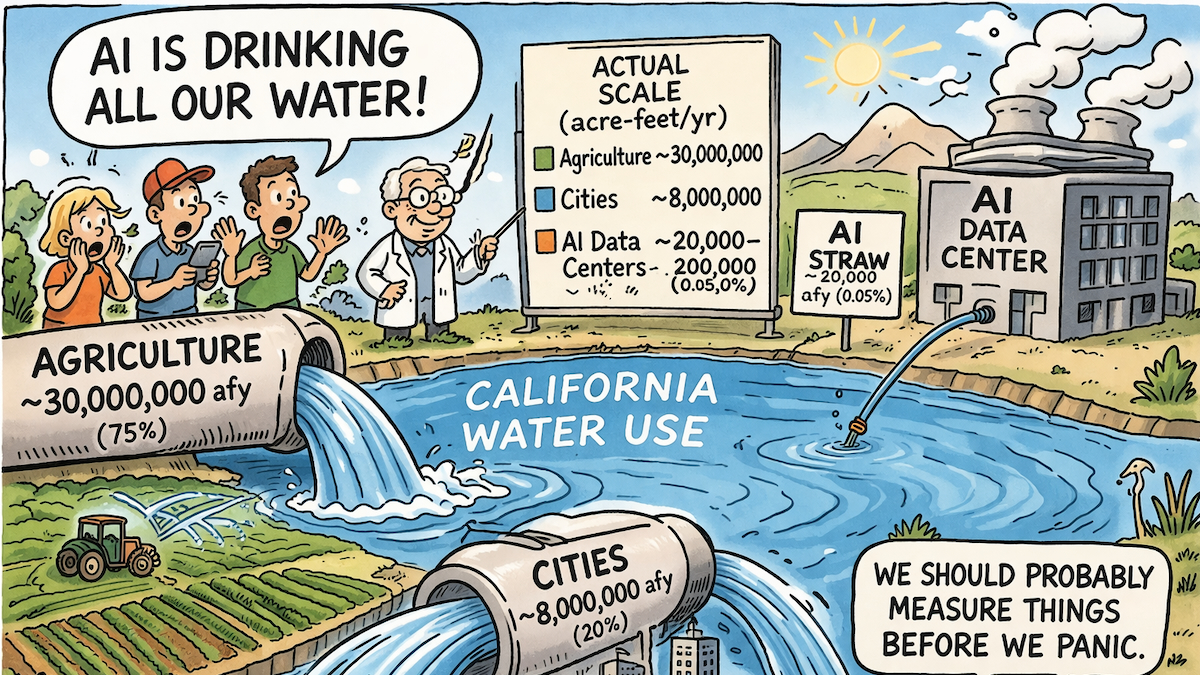
AI Water Use Distractions and Lessons for California
-
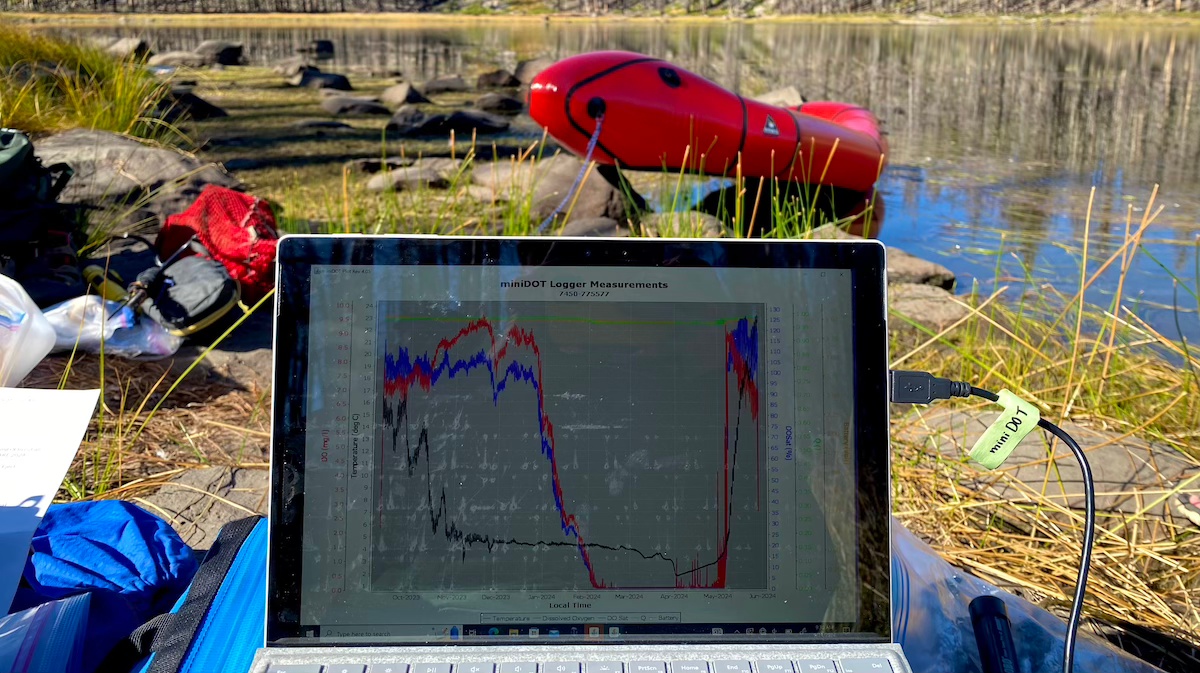
A chance to multiply your support for the Center for Watershed Sciences
-
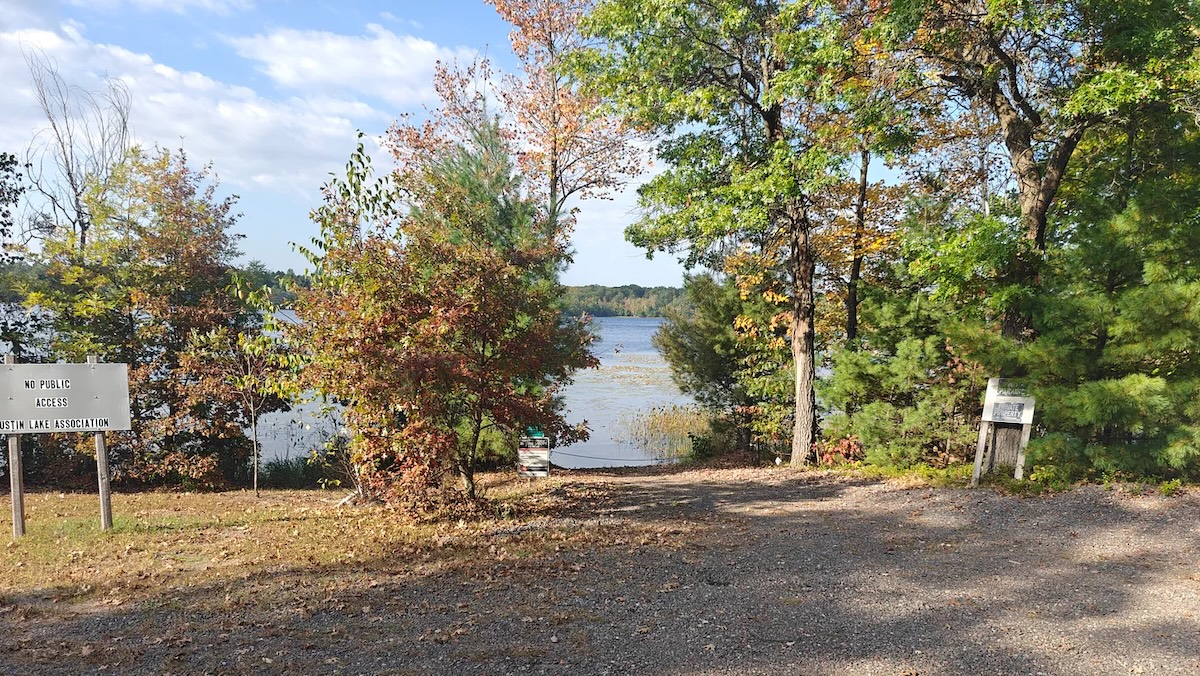
Walling off nature: Exploring the consequences of our urge to claim ecosystems
-
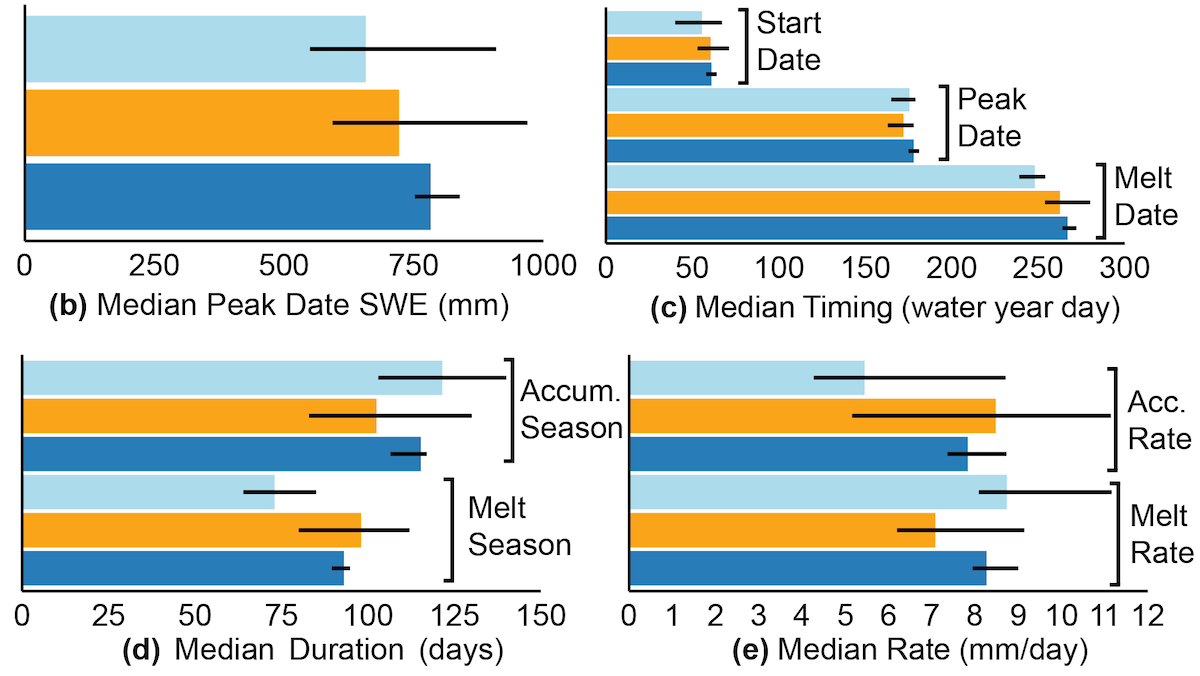
California and the West’s Current Snow Drought in a Long-Term Context: Key Points for Researchers
-
Fish domination of avian food webs
-
Life history differences between natural and hatchery-origin winter-run Chinook present opportunities and challenges for managing the endangered species
-
Where the sturgeon go: how age-related differences in habitat use shape exposure of white sturgeon to population risks
-
Resilient California Fishes: Sacramento Pikeminnow